
Invite-Only Intake: Controlled Qualification Instead of Open-Form Noise
Invite-only intake protects team bandwidth and improves lead quality. Learn when controlled entry beats open form traffic.
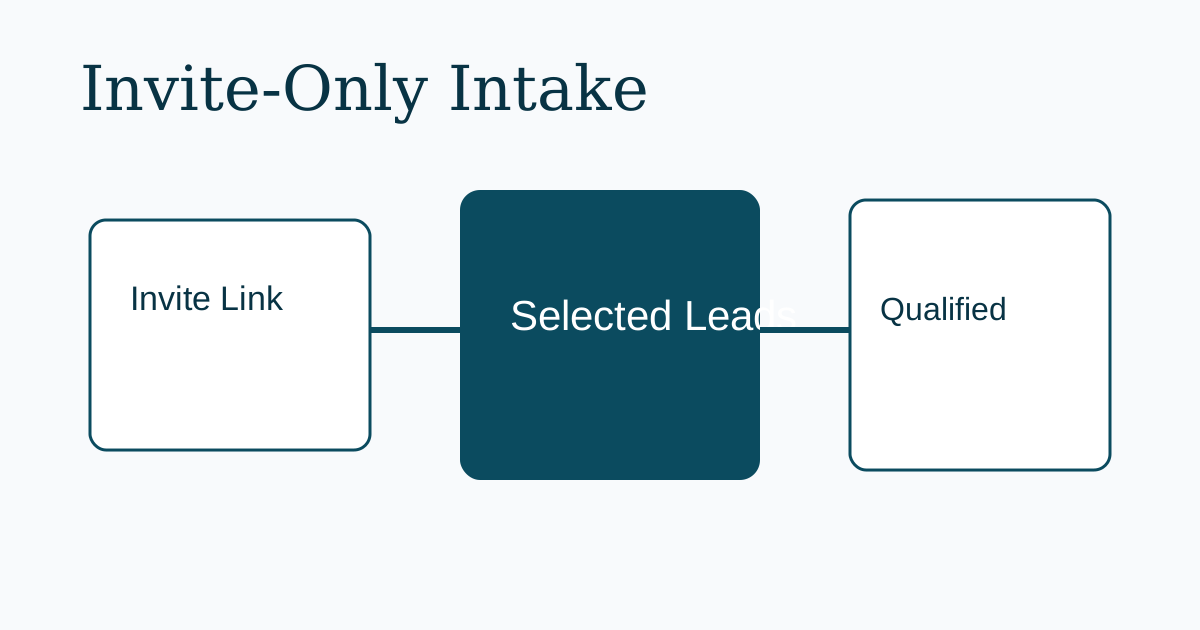
Open website forms maximize submissions, but they rarely maximize qualified opportunities. Invite-only intake flips that logic: fewer entries, stronger intent, better team focus.
What invite-only intake changes
Instead of broadcasting one public form to everyone, brokers share qualification links selectively. This simple shift improves context, protects follow-up capacity, and reduces unproductive admin work.
- More relevant inquiries
- Clearer pre-qualification context
- Less operational clutter for the team
When this model works best
Invite-only intake is strongest for premium listings, referral pipelines, and teams with limited response capacity. If every lead receives white-glove service, filtering entry points protects quality.
How to implement without friction
Give agents a simple share link, define expected response SLAs for high-score leads, and track drop-off reasons for non-completed intakes. This keeps the process structured and measurable.
Pair invite-only intake with explainable qualification so teams understand why leads are prioritized the way they are.
Next article: Lead Quality Over Volume.
When controlled intake becomes a strategic filter
Invite-only intake real estate models are not about artificial exclusivity. They are about protecting team capacity when certain listings, referral channels, or brokerage workflows require more deliberate qualification at the door.
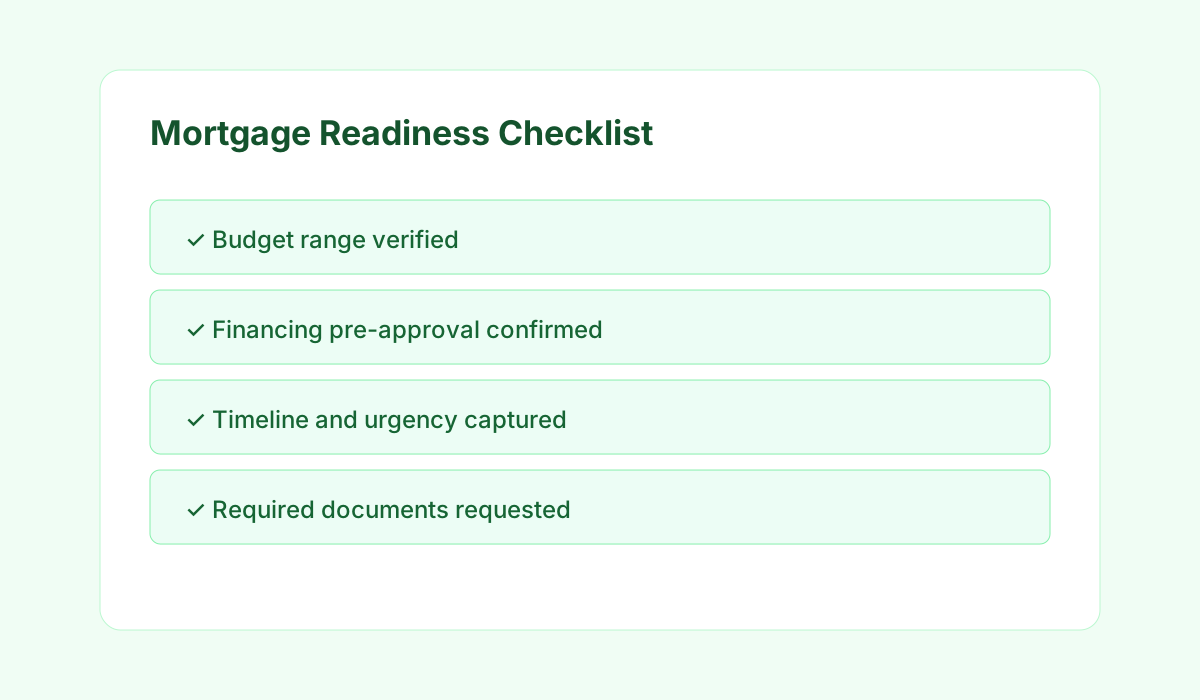
Where controlled intake is genuinely useful
It is useful for premium listings, high-touch buyer journeys, and situations where open form volume overwhelms serious-buyer identification. In these contexts, qualification starts at entry, not after the inbox has already filled up.
Guardrails that keep the model credible
- Define who receives access and why
- Clarify what information the intake is meant to capture
- Review whether selectivity improves follow-up quality
Why this is different from simple gating
Controlled lead qualification is valuable only if it improves workflow quality, not if it simply reduces volume without improving decision quality.
Next step: